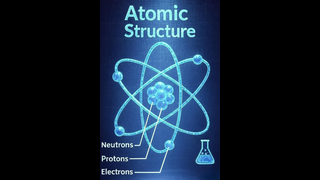
This is the first part in a 3-part lesson on Molecular Interactions. This part introduces 6th-grade students to the fundamental structure of an atom, the basic building block of all matter. Using the work of chemist Mario Molina as an engaging real-world example, the lesson teaches the key distinctions between the three main subatomic particles: Protons: Positively charged particles located in the atom's center, or nucleus. They act as an "ID card" that determines what element the atom is. Neutrons: Neutral particles with no charge, also located in the nucleus and keep the protons from shooting away from each other. Electrons: Negatively charged particles that zip around the nucleus. Because they are on the outermost part of the atom, they are responsible for all chemical interactions and reactions.
Created By Cody Glassbrenner
You need a HOLOTUTOR license in order to play this experience in your browser
Purchase Subscription